
The Heritage Behind the Ashley Young Method
Throughout history, many thinkers have explored the relationship between numbers, patterns, and the deeper nature of the soul.
Although Living Numerology developed through Ashley Young’s own experience and teaching, its principles resonate with a long lineage of philosophical and mystical inquiry.
Across cultures and eras, certain themes repeatedly appear:
• numbers as living forces
• meaning emerging through interaction
• the soul recognising its deeper nature Living Numerology continues this exploration in a modern form.
Ancient Number Philosophy
One of the earliest traditions to treat numbers as living principles was the teaching of Pythagoras.
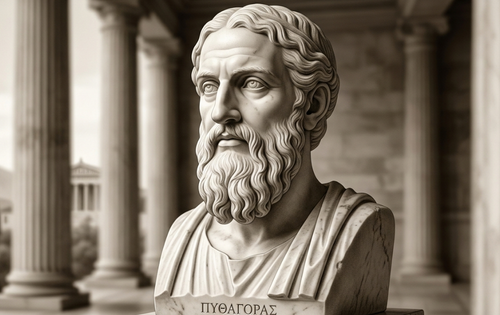
In the Pythagorean tradition, numbers were not simply tools for counting. They were believed to express the underlying harmony of the universe.
Numbers interacted with one another to create patterns of balance, tension, and transformation.
Living Numerology reflects this spirit by exploring how numbers combine and interact rather than interpreting them as fixed meanings.
The Philosophy of Recognition
The experience many people describe during immersive numerology sessions often feels less like learning something new and more like remembering something deeply familiar.
This idea echoes the philosophy of Plato, who described knowledge of truth as anamnesis — the remembering of wisdom already present within the soul.
In this view, true understanding is not always something that must be taught. Sometimes it is something that must be recognised.
This concept resonates strongly with the experience people describe when encountering their True Soul Form.
The Psychology of the Self
Modern psychology has also explored the idea that each person carries a deeper centre of identity.
The psychologist Carl Jung described this centre as the Self archetype, representing the deeper wholeness of the psyche.
Encounters with this deeper Self are often accompanied by a sense of awe, recognition, and integration. Many people describe a similar experience when the deeper pattern of their numbers reveals itself.
Mystical Number Traditions
In mystical traditions such as Kabbalah, numbers are seen as expressions of spiritual forces shaping reality.
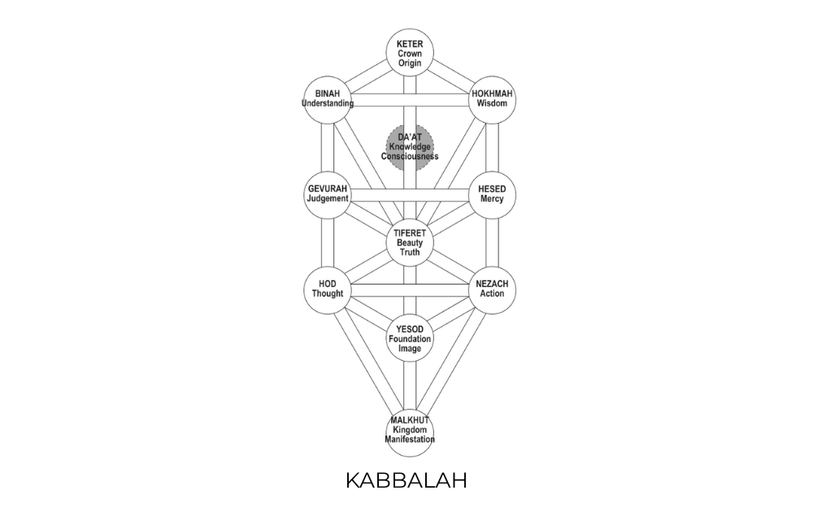
In these traditions, the meaning of a number changes depending on:
• its position
• its interaction with other numbers
• the context in which it appears
Living Numerology echoes this perspective by emphasising that numbers do not exist in isolation. Their meaning emerges through interaction and context.
The Living Numerology Framework
Ashley Young’s methodology brings these ideas together in a contemporary system built on three interpretive principles.
Combination
Numbers interact with one another to create unique energetic patterns.
Context
Numbers express themselves differently depending on the area of life in which they appear.
Compounding
Certain numbers become dominant depending on their placement and strength.
Together these principles create a dynamic approach to numerology in which numbers behave less like static symbols and more like living energies within a system.
The Soul Recognition Path
Through this framework, numerology becomes more than a tool for personality description.
It becomes a pathway for recognising deeper patterns within the self.
Many people describe a moment during immersive numerology sessions when the interaction of their numbers reveals something profound — an experience Ashley Young describes as encountering the True Soul Form.
At this moment, understanding often shifts from intellectual analysis to a deeper sense of recognition.
Continuing the Human Exploration
Living Numerology does not claim to replace earlier traditions.
Instead, it continues the long human exploration of how numbers, patterns, and consciousness may be connected.
Through this approach, numerology becomes not only a system of interpretation, but a language through which people can explore the deeper meaning of their lives.